Varroa mites, bees, and our future food system: A reckoning and a road ahead
August 5, 2026
Bee swarm season is coming – one of nature’s most remarkable spectacles
August 12, 2026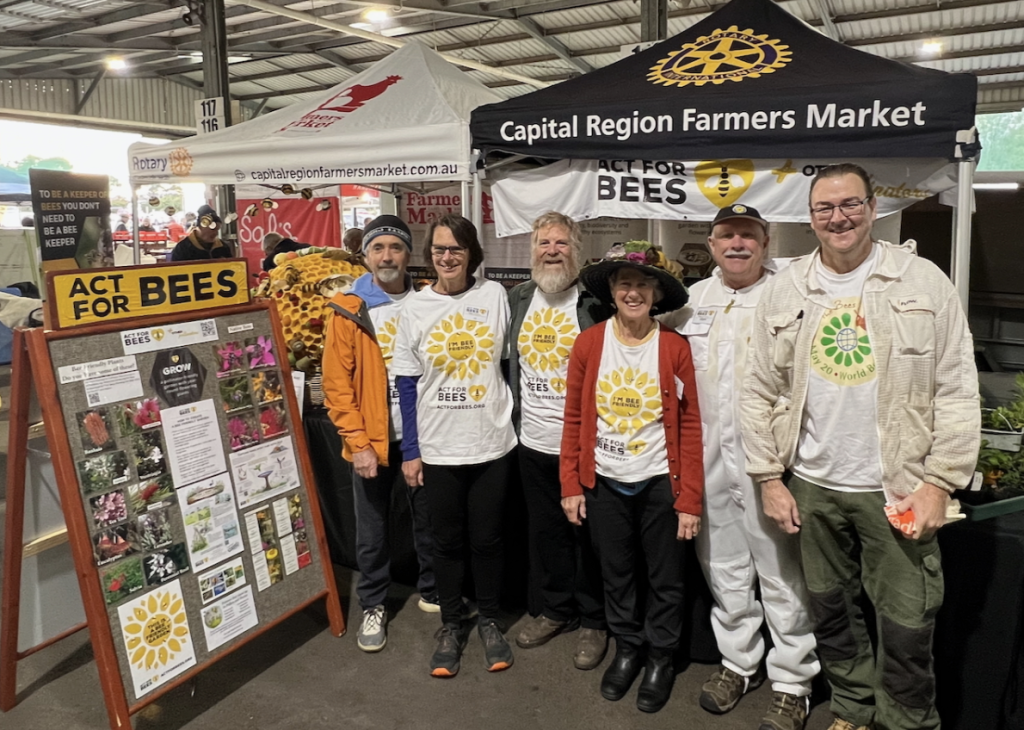
In a world that can feel overwhelming, hope often begins with something small. Discover how gardens, pollinators and community connections can inspire positive change.
In these troubled times, hope is what sustains us.
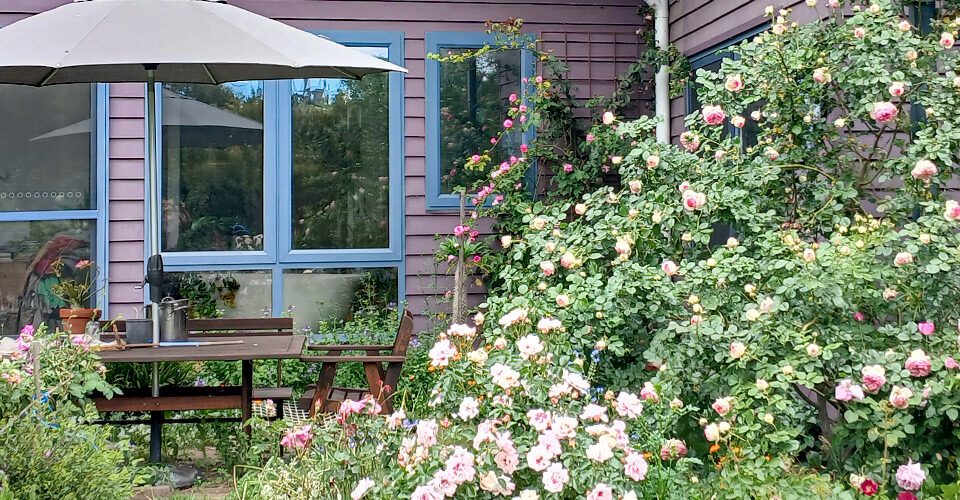
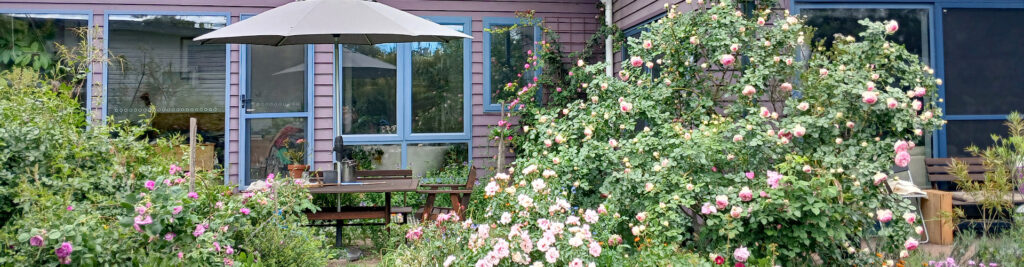
For many of us, hope can be found in a garden. It isn't only the satisfaction of watching something you've planted begin to grow or the feel of soil between your fingers. It's the burst of flowers and grasses after rain, the sparkle of dew on leaves in the morning light, the gentle movement of tree canopies in the breeze, and the quiet hum of life that comes with it all. The birds enchant us with their antics and song. Pollinators help our vegetable gardens become productive.
What many people don't realise is that these everyday moments are part of a much bigger story. Nature is built on connections that sustain our gardens, our food, our wildlife and our own wellbeing.
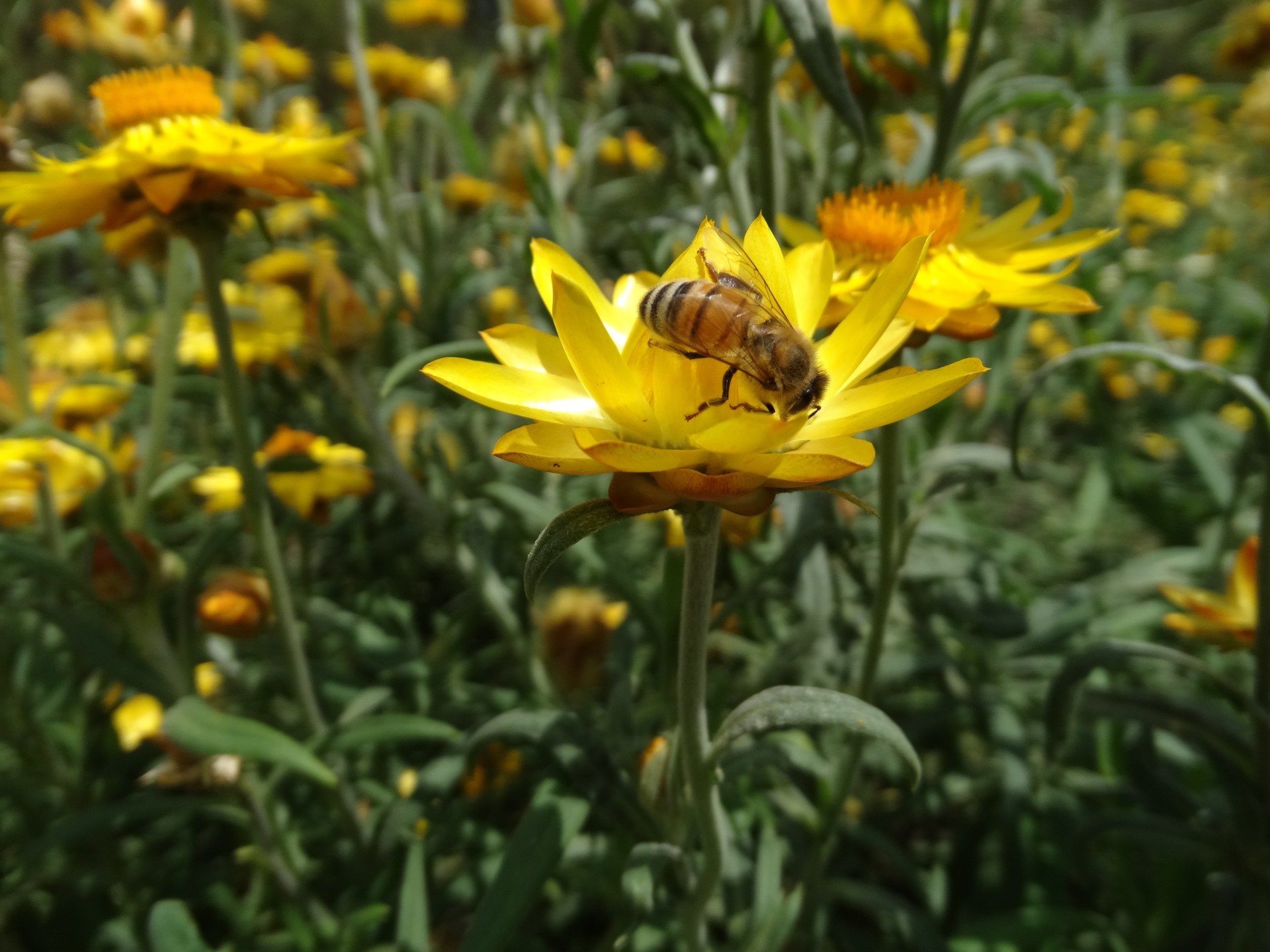
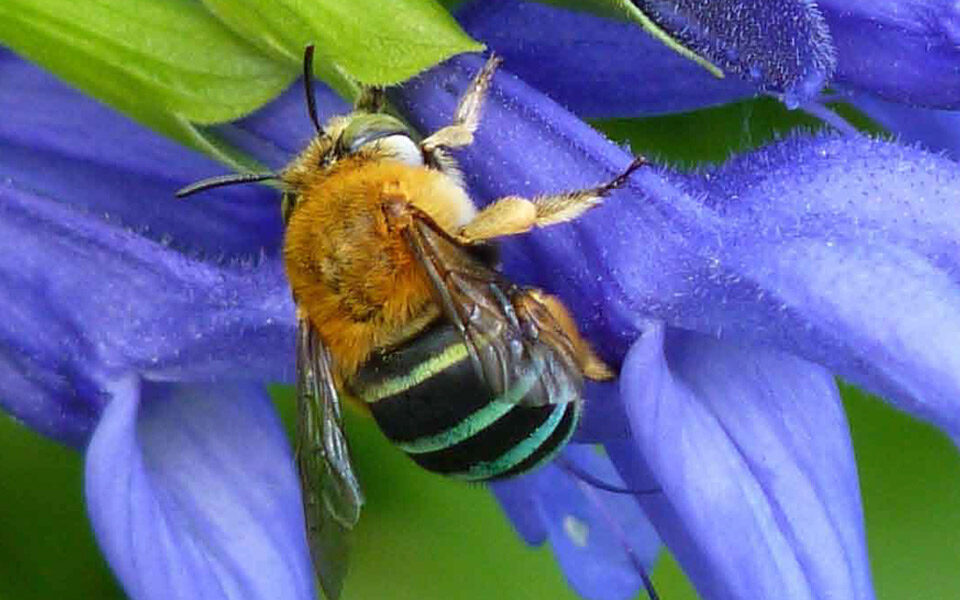
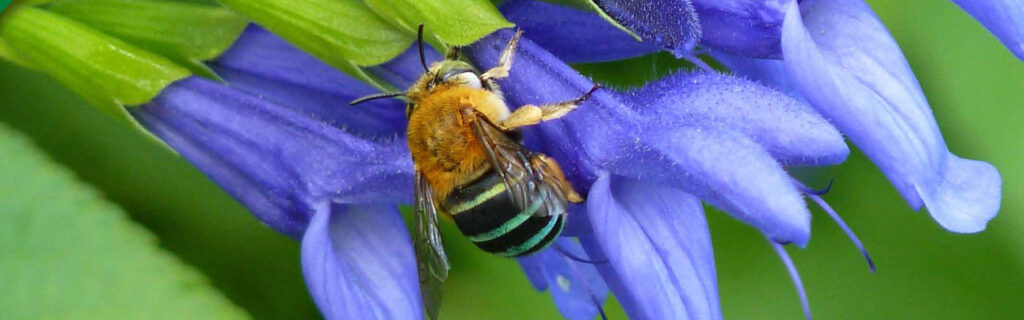
In Australia, around one-third of food crops depend on bee pollination[1], while up to 75% gain some benefit from bee pollination[2]. This can mean more fruit, better-quality produce and stronger harvests. Bees are only part of the story, however. Native bees, butterflies, hoverflies, beetles, moths, birds and other animals also provide valuable pollination services. Yet many of these pollinators are under increasing pressure from habitat loss, pesticides, climate change and invasive species.
It's easy to hear statistics like these and feel overwhelmed. Yet despite these challenges, one thing gives me genuine hope: people.
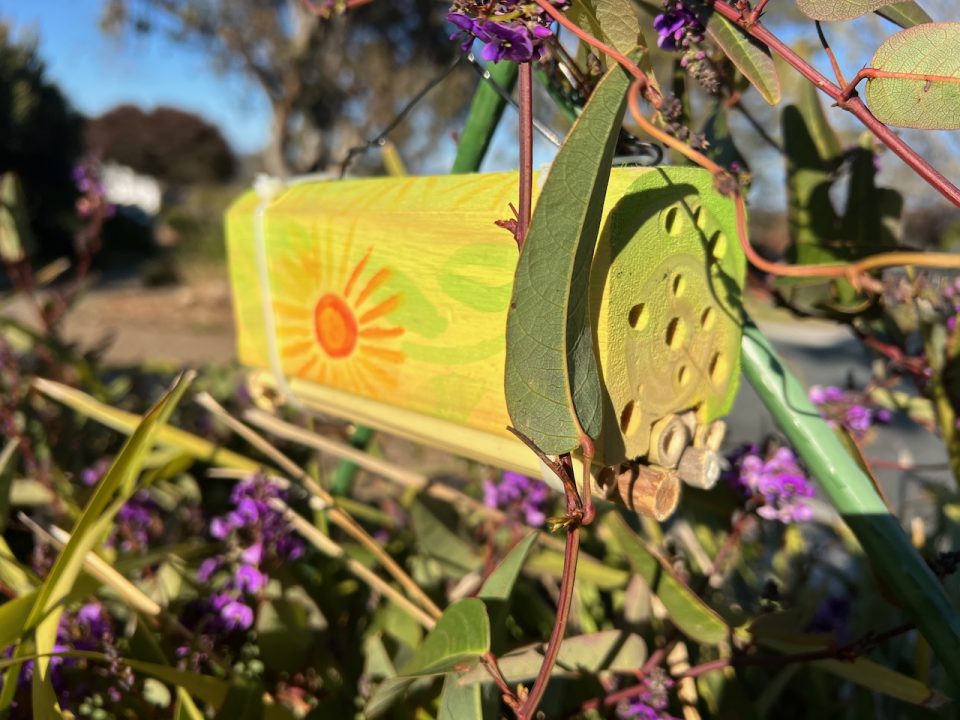
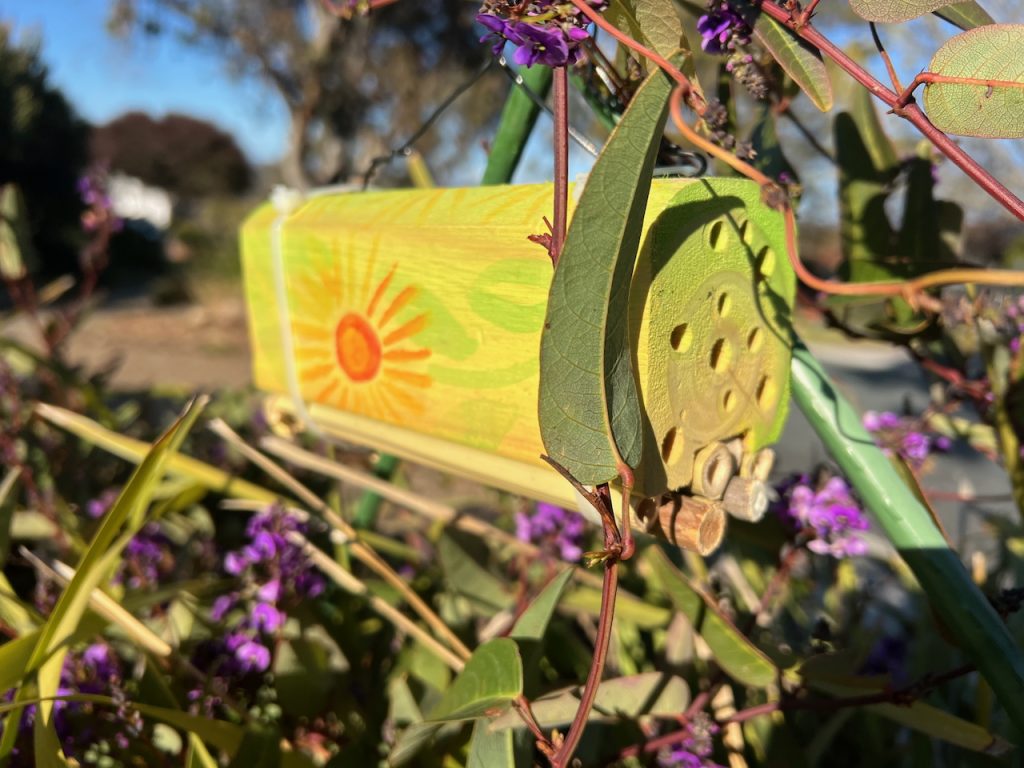
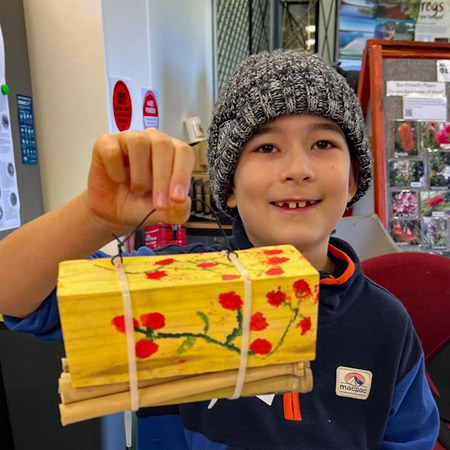
At our recent World Bee Day stall at the EPIC markets, I met adults and children who stopped to chat, ask questions and share their own stories. They told us about the bee hotels they had built, the native flowers they had planted, the insects they had discovered in their gardens and the joy they found in watching nature up close.
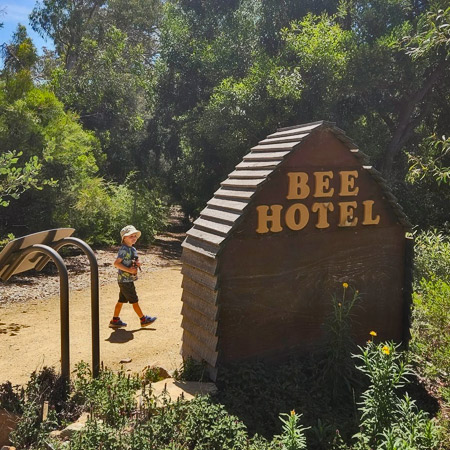
One lady smiled as she told me that her five-year-old grandson now insists on checking the bee hotel every time he visits. It's become part of their routine—a small ritual of curiosity and connection with nature. That simple story stayed with me because it reminds us that creating habitat isn't just about helping pollinators. It's about nurturing the next generation of people who care for the natural world.
Those conversations reminded me that people care deeply about nature. More importantly, they reminded me that when people connect—with nature and with one another—positive change happens.
When we think about pollinators, it's natural to picture a bee visiting a flower. Yet every visit is part of a much bigger story. The health of pollinators, wildlife and people is deeply interconnected.
We often think of biodiversity as the variety of life that makes our parks and bushland beautiful. But it does much more than that. Pollinators help plants reproduce, and those plants provide food and shelter for insects, birds, reptiles and countless other species. Scientists increasingly recognise that protecting biodiversity is also part of protecting human health. When ecosystems are damaged and wildlife habitats are lost, the connections between people, animals and nature can be disrupted. Protecting nature helps build healthier, more resilient communities.
None of these connections exist in isolation, and neither do we. Across Canberra, individuals, schools, community groups, businesses and governments are taking small but meaningful steps to create more pollinator-friendly places. One person plants a native shrub. A school establishes a habitat garden. A workplace reduces pesticide use. A community group restores a patch of bushland. Together, these everyday actions create something much larger—a connected landscape where pollinators can find food, shelter and places to thrive.
That's why ACT for Bees and Other Pollinators is building a community of people who care. Together, we can create a city where pollinators thrive.

No one person can solve the challenges facing pollinators. But thousands of people taking small local actions can make a big difference over time. Every flowering verge, every balcony pot, every school garden and every wildlife-friendly backyard becomes another stepping stone for pollinators moving through our city.
When those stepping stones connect, nature becomes more resilient.
The same is true of our community. The more we share ideas, inspire one another and work together, the greater our collective impact.
You don't need a large garden or expert knowledge to make a difference. You could:
- Plant locally native flowering species.
- Leave some bare ground or hollow stems where native bees can nest.
- Install a bee hotel.
- Reduce or avoid pesticide use.
- Learn about the pollinators already visiting your garden.
- Encourage your school, workplace or neighbourhood to create habitat.
Every action matters.
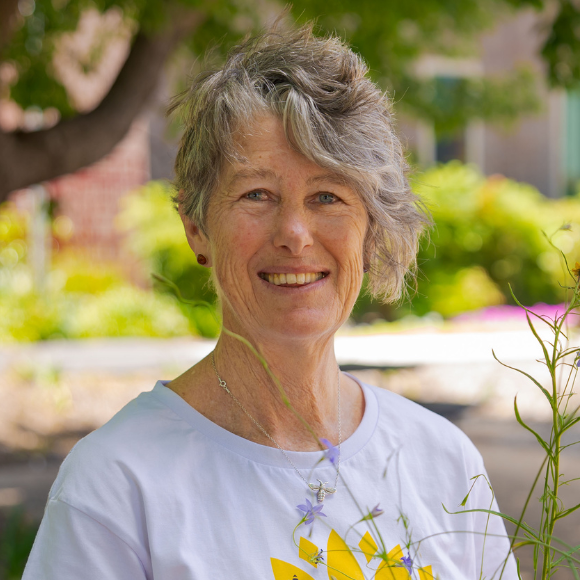
Every thriving garden begins with one seed. Every thriving community begins with one person choosing to care.
I'd love you to join us in creating a more connected community and a more connected city—one where people, plants and pollinators can all thrive. Because connection matters. And when hope is shared, it grows.
Julie Armstrong
Founder
ACT for Bees and Other Pollinators