Varroa mites, bees, and our future: Where have all the bees gone?
October 9, 2026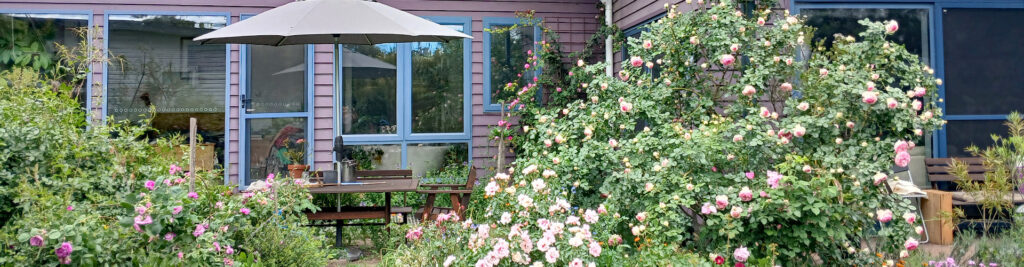
Growing up in Brisbane’s outskirts in the 1960s, we lived on 2 ½ acres of partially cleared old sheep country. A gully ran through it. Us kids each had our fave climbing trees. There were possums, wallabies and birds galore. And snakes: whip snakes, red belly blacks, death adders. It was the edge of suburbia, and it was wild. It didn’t need rewilding.
My parents strove over a dozen years towards something tamer. Mum gamely gardened around the house. The battle against lantana was constant.
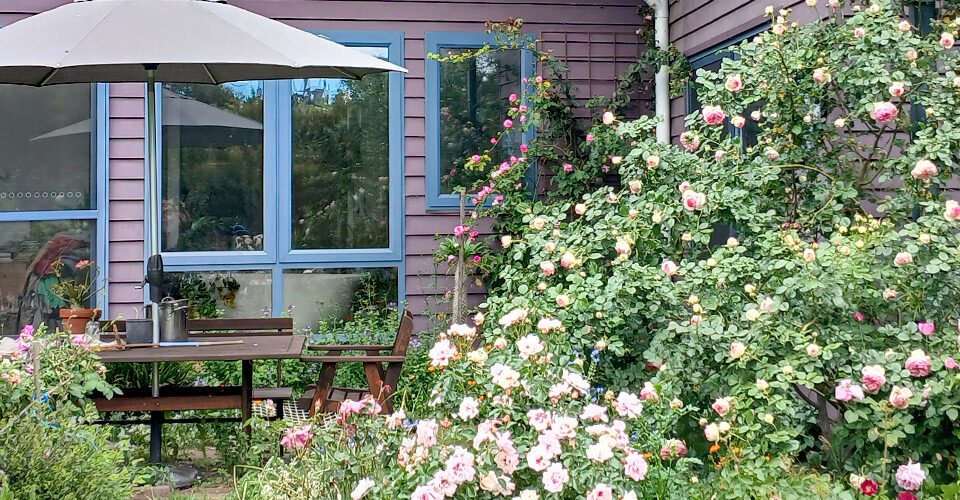
A lot has changed in the last 6 decades. I live on a quarter acre block, 3 km from the centre of town and 6 km from the nation’s Parliament House. In the decade that we’ve dwelt here, we’ve made conscious decisions to build biodiversity on the land of which we are custodians. Our gardens are at least a wee bit wild. We grow some food, and wrangle around 250 plant species. Always untidy, this land is also habitat for possums, birds, skinks, frogs, managed bee hives, and multitudes of pollinators. There might be snakes but they have the decency to remain discrete.
Visitors come through our gate and their jaws drop. They are familiar with a tame suburbia.
As a volunteer for ACT for Bees and Other Pollinators, and following Perth-based Rewilding Suburbia on Facebook, I was keen to grab author Mel Logozzo’s eponymous first book.
It’s not like I need another gardening book; our home library has 5 shelves of such books and I barely read them. I’m too busy gardening. But there is something about Mel’s presence on social media that speaks to me. The joy and enthusiasm, the honesty, the imperfection and ability to laugh, the willingness to embrace it all and not get stuck on ideology for its own sake.
Within the first few pages, I was aligned with Mel’s garden philosophy. It’s OK to be the non-expert and break some rules. Observe closely, learn from your mistakes. Emulate nature. The latter abhors straight lines and neat’n’tidy. It’s OK to plant chard next to the roses. It’s even OK to have exotics; not everything needs to be native. Indeed, wildness is not something that happens only in national or nature parks, or restores degraded acreage. Rewilding and biodiversity are not the exclusive domain of native plants. It starts in your patch, no matter how small, and with a bit of community connection, you can spread it around your ‘hood. You don’t need acres of ex-sheep paddocks to make a difference.
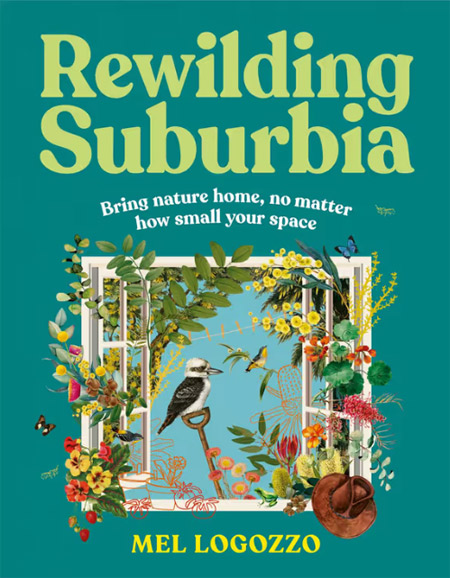
Like us, Mel grows natives out the front with edibles and flowers out the back. Even these boundaries can be elastic, with various plantings all blending into a glorious ecosystem. She made a basic plan but didn’t carve it in stone. She’s flexible and changes what she does as she learns more about soil, climate and microclimates, and local plant species. She invites the life in, and lets the ecosystem do its thing. She asks questions, like "What happens if I stop tidying everything and see what shows up?". Her garden is a refuge, not only for plants and critters, but also for human animals, many of whom suffer from Nature Deprivation.
Mel encourages everyone to 'bring nature home', even those with only a balcony or patio. It all counts. And as the joy spreads through The Burbs, the ecosystem effects start to multiply.
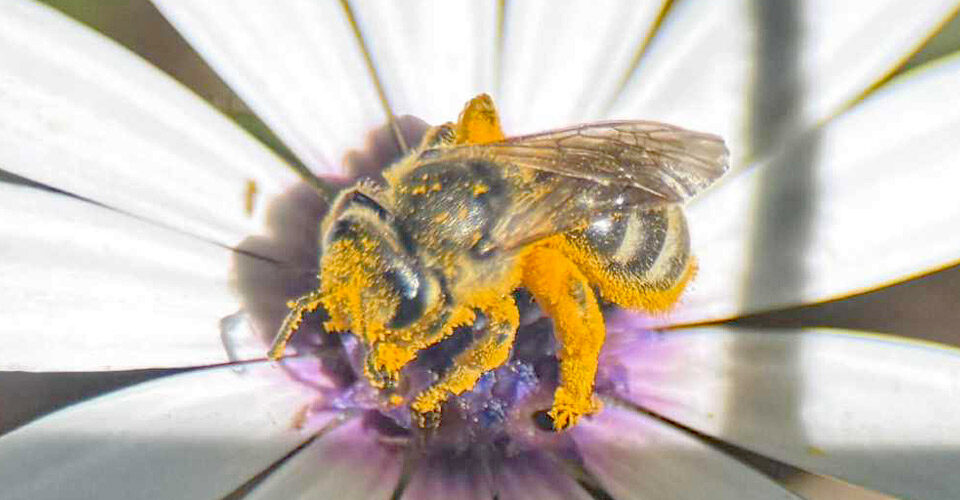
She's right at home with the wildlife, all those pollinators, bugs and other invertebrates that buzz, hop, crawl and lurk, and usually attract poisons and traps rather than curiosity. While many suburban gardeners get freaked out by anything nibbling on their prized plants, Mel invites the critters. I dwelt most on the chapters on Reinviting and Reloving the little things. For many, the observation that sprays take out the predators along with the pests will be revolutionary, if not frankly terrifying. Mel’s bold claim, that "pests are part of the process" is spot on. We get aphids on the kale and roses. Then we get ladybirds and parasitic wasps turning up, and Lo! the aphids … disappear…
Mel's book is bursting with practical ideas and would be a boon for beginners who need to develop ideas and confidence. It could conceptually challenge (if not terrify) those gardeners fixated on controlling their unnatural world with sprays and whipper snippers. For some, the message will be too scary. For others, it may be salvation from the modern monotony of silver-grey foliage and low maintenance mass plantings.
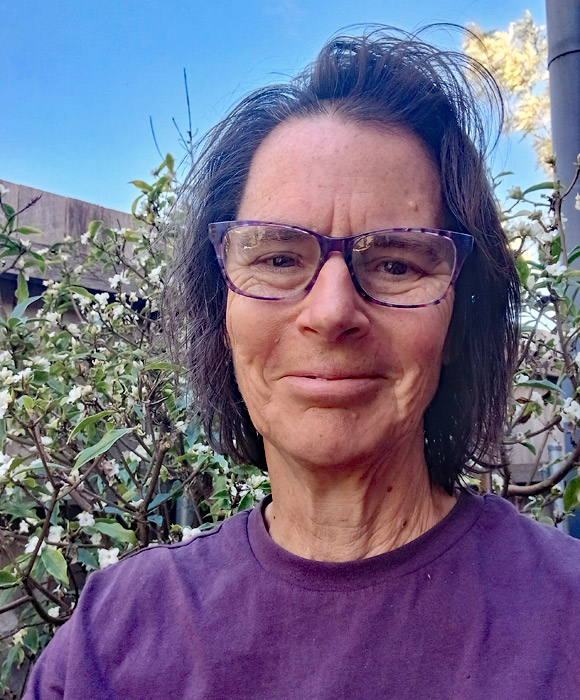
Have I learned much?
For me, her book is like sitting down with a good mate on the patio among the roses and salvias, comparing notes. It gave me reassurance that I’m on the right track, and encouragement to become more curious about what is really happening out there under the mulch, in the shrubs, and up high in the canopy. It helped me understand that while my main goal was to plant for pollinators, I was also planting habitat for all the other critters, most of whom I know little about.
Will it change what I do? Not dramatically. I’ve already changed my approach over some decades. It will help me ask better questions and to see my garden differently, which will no doubt lead to more shifts in the years to come.
Years ago, I had the thought: "Why have a garden when you can have an ecosystem?"
Mel has written the book.
Let’s hope it reaches those who need it.
Liz Fraser
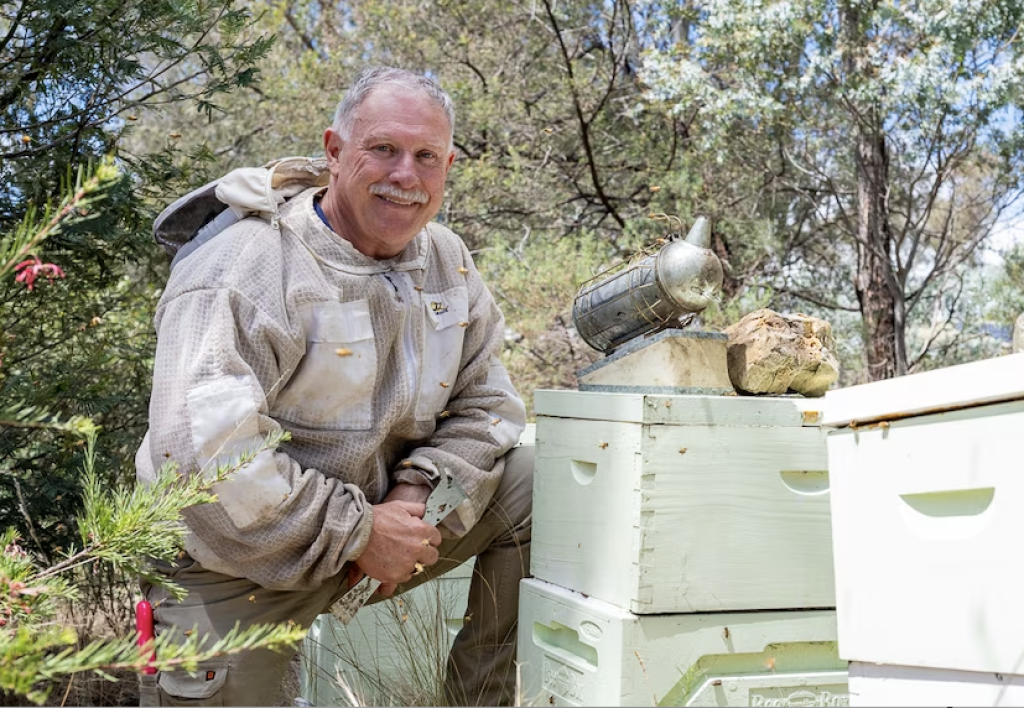
Chief home gardener, Assistant Beek, ACT for Bees and Other Pollinators volunteer