Retirement and the art of plant propagation
September 10, 2026
School holidays are nearly here and, if you're anything like me, you're probably already thinking about ways to keep the kids entertained without spending a fortune or relying entirely on screens.
My five-year-old grandson is quite happy with simple adventures. Pack a drink bottle and a snack, head outdoors, and he's convinced we're on an expedition.
The free Love Food? Love Bees! and Love Food? Love Seeds! resources developed by Cool.org in partnership with ACT for Bees and Other Pollinators are full of ideas for helping children connect with nature. Here are a few school holiday activities inspired by the resources that are easy to do at home or while you're out exploring Canberra.

Ages 3–6: Pack a snack and go on a pollinator safari
This is probably the easiest activity of all because you don't need any special equipment.
Pack a drink bottle, a snack, hats and sunscreen, then head to a local park, garden or nature reserve. If you're looking for somewhere new to explore, the ACT Parks website has plenty of ideas for walks around Canberra. See what you can discover together.
Can you spot:
- a bee?
- a butterfly?
- a bird?
- a flower bud?
- a seed pod?
- an insect visiting a flower?
My grandson loves having a mission when we go for a walk. Sometimes we'll only make it a few hundred metres because there's something interesting to investigate every few steps.
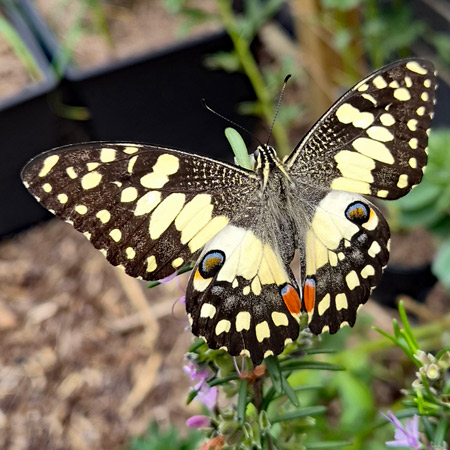
A Chequered Swallowtail (Papilio demoleus) butterfly visiting a rosemary bush in my garden.
You don't need to identify every insect. The aim is simply to slow down and notice what's happening around you.
And don't forget to be SunSmart before you leave home!
Inspired by:
- The Bees in the Yard activity which encourages children to investigate bees in the yard and learn how to be safe around bees.
- The Observing Native Bees activity gives children the opportunity to explore Australian native bees through observation and art.
Ages 4–8: Create nature art with leaves and seeds
With a little advance preparation, this one is great for a day when the weather isn't quite cooperating.
Collect a small selection of fallen leaves, seed pods and other natural treasures (or raid the kitchen cupboard for dried lentils, beans and seeds) then use them to create pictures, patterns or mosaics.
Children might make:
- a bee
- a butterfly
- a flower
- a garden scene
- something completely made up!
You could even search online for free colouring in pages, or draw something freehand, for your little one to fill in with their treasures.
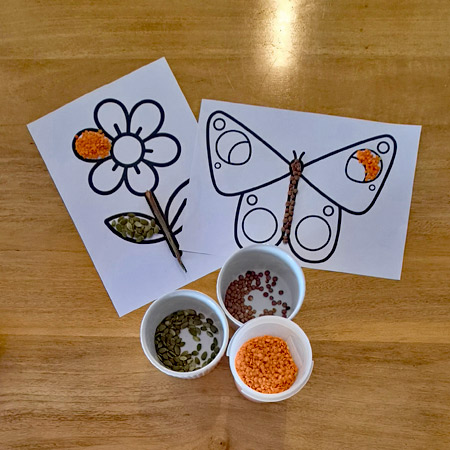
Simple printed colouring in sheets can be filled in with seeds and other treasures from the garden or the kitchen cupboard!
A quick note: collect only from your own garden, a friend's garden or other places where collection is permitted. Leave leaves, seed pods and other natural materials where they are in nature reserves, national parks and the Australian National Botanic Gardens. They're providing homes and food for wildlife.
One handy tip from experience: pop your nature collection into a sealed bag and leave it in the freezer overnight before using it for crafting. It's a simple way to reduce the chance that any tiny insects that hitched a ride suddenly emerge halfway through your masterpiece!
Inspired by:
- The Love Food? Love Seeds! early learning resources which help children explore where seeds come from, how plants grow and the role pollinators play in producing many of the foods we eat.
Ages 5–10: Grow something from seed
If you start this one at the beginning of the holidays, children can watch the changes over the two-week break.
Fast-growing options include:
|
Plant |
Edible? |
Needs insect pollination? |
|
Radish |
Yes |
No for the root crop, yes for viable seed production |
|
Lettuce |
Yes |
No |
|
Rocket |
Yes |
No for salad leaf production, yes for viable seed production |
|
Dwarf beans |
Yes |
Not required, but insect visits can improve yields |
|
Zucchini |
Yes |
Yes |
|
Sunflower |
No |
Benefits from pollinators; insect pollination improves seed set |
|
Alyssum |
No |
Not required if growing for flowers, but attracts pollinators |
|
Calendula |
Edible flowers |
Not required if growing for flowers, but attracts pollinators |
|
Nasturtium |
Edible flowers |
Not required if growing for flowers, but attracts pollinators |
|
Cosmos |
No |
Not required if growing for flowers, but attracts pollinators |
A simple way to see pollination in action is to grow cucumbers or pumpkins, although they take a little longer to grow than some of the other plants on this list. Insects such as bees move pollen between flowers, allowing the fruit to develop. Children can easily spot the different male and female flowers and see for themselves how pollinators help produce some of the food we eat. Encourage them to draw what they see, measure growth or take photos every few days.
It's a nice way to start conversations about how some plants rely on pollinators to produce seeds and fruit, while others don't.
Inspired by:
- Love Food? Love Seeds! growing activities
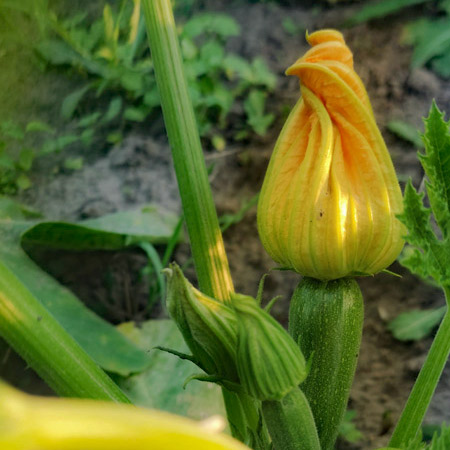
Zucchini flowers.
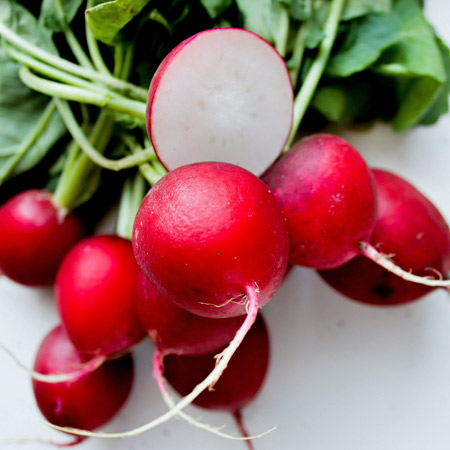
Radishes.
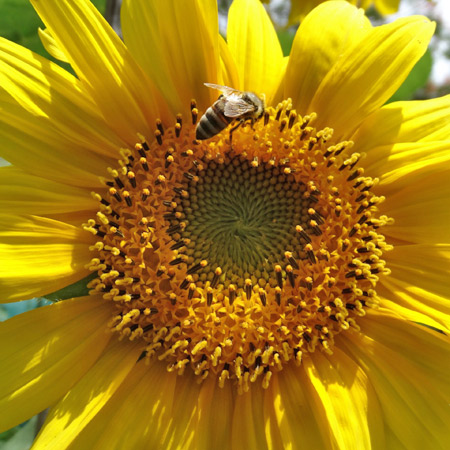
Sunflower.
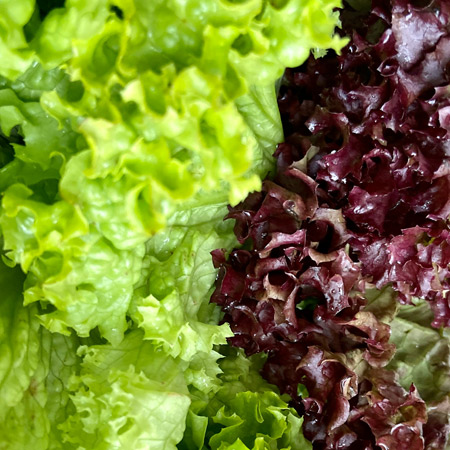
Mixed lettuce.
Ages 8–12: Create a bee-friendly garden in a pot
You don't need a large backyard to make a difference for pollinators.
Older children might enjoy choosing plants and creating their own bee-friendly garden in a pot, planter box or small garden bed.
One of the best parts can be finding the plants.
You could visit:
- Cool Country Natives
- the plant stallholders at the Capital Region Farmers Market and Southside Farmers Market Canberra
Or keep an eye on local gardening and community Facebook groups where people often share spare seedlings and cuttings:
- Buy Nothing Garden ACT
- Canberra Garden Buy Swap Sell Chat Group
- your local Buy Nothing group.
Once the flowers start blooming, children can see which insects come to visit.
If you're thinking about doing this activity later in the year, keep an eye out for these very popular sales:
- Friends of the ANBG Plant Sale (October)
- CIT Plant Sale (November).
Inspired by:
- Observing Native Bees activity
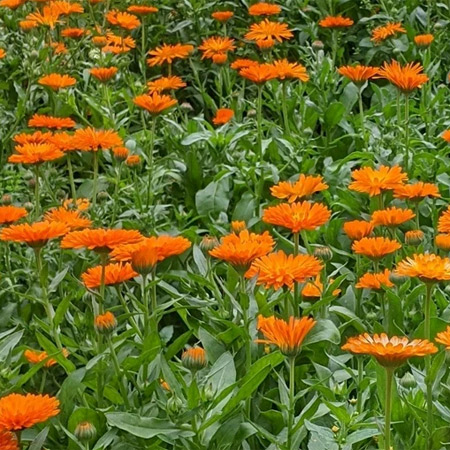
Calendula.
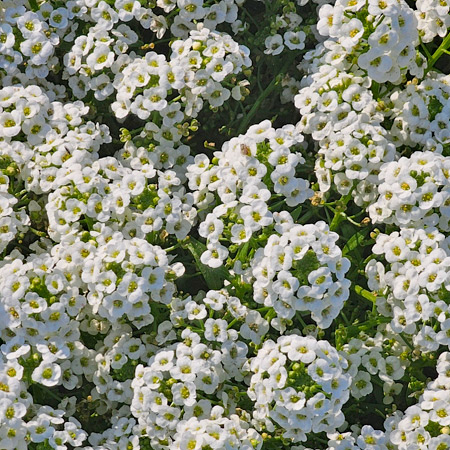
Alyssum.
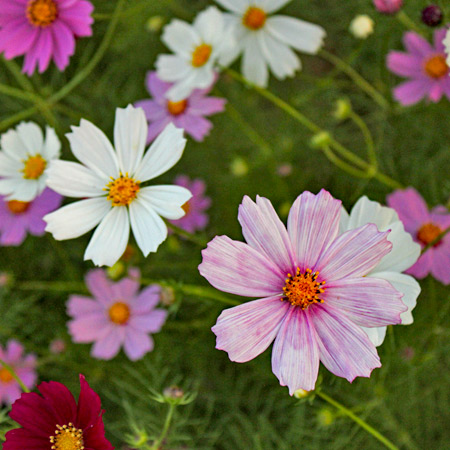
Cosmos.
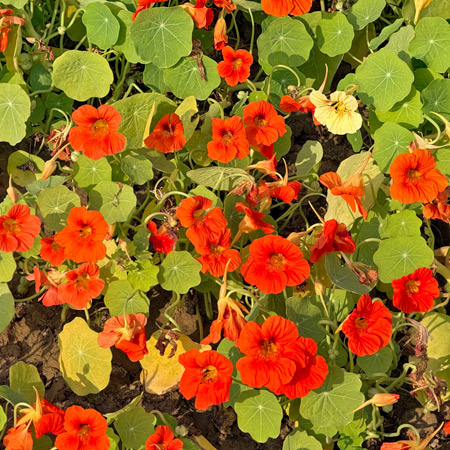
Nasturtium.
Bonus activity: Pollinator Bingo
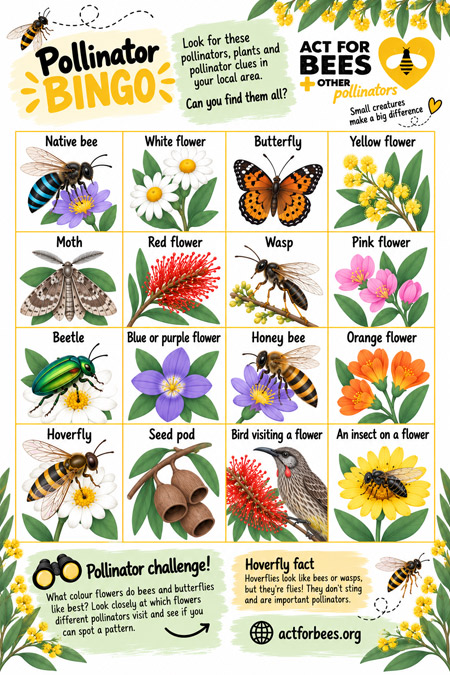
If you're heading to Floriade, Tulip Top Gardens, the Australian National Botanic Gardens, a local park or reserve, or even your own backyard, take our Pollinator Bingo sheet along with you.
Can you find all 16 items?
One challenge for the grown-ups: can you tell the difference between a bee and a hoverfly?
Hoverflies are often mistaken for bees, but they're important pollinators too. Once you start noticing them, you'll see them everywhere.
Looking for more ideas?
Check out the free Love Food? Love Bees! and Love Food? Love Seeds! education resources developed by Cool.org and ACT for Bees and Other Pollinators.
You'll find activities for children from Early Learning through to Year 10, covering everything from observing pollinators and growing plants to understanding how pollination helps bring food to our tables.
If you try any of these activities during the holidays, we'd love you to share your photos by tagging us on Facebook or Instagram!
Nikki McPhan
ACT for Bees and Other Pollinators Committee Member